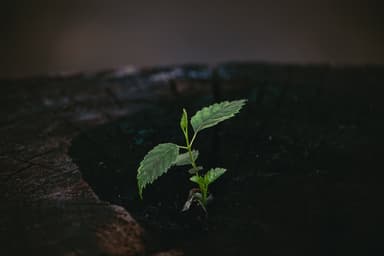
Where disconnection can creep in
In intergenerational dynamics, people often adapt in subtle ways:
over-functioning to feel worthy
minimizing needs to preserve harmony
idealizing the other to avoid uncertainty
ignoring discomfort in the name of desire
These moves are understandable. They’re also places where self-contact can go quiet.
Aliveness as information, not instruction
A core orientation of this work is that aliveness is not a mandate. Feeling attraction doesn’t require action. Sensing discomfort doesn’t demand withdrawal. Noticing desire doesn’t mean it must be fulfilled.
When aliveness is met as information rather than instruction, there’s more room for discernment—for choice that respects both self and the relationship. (This is where Noticing Without Identifying becomes especially relevant.)
Relational sensitivity begins with self-contact
It’s difficult to stay attuned to another person if you’re not in contact with yourself. Intergenerational relationships often ask for:
tolerance for asymmetry
honesty about capacity and timing
willingness to stay with uncertainty
respect for difference without moralizing it
These aren’t skills to master so much as capacities that grow through presence and attention.
Aliveness isn’t something we have to follow immediately, but it’s a signal worth listening to.
When we can stay present with what’s arising in us—without forcing meaning or outcome—relationships tend to become clearer, kinder, and more truthful. This kind of presence is especially supportive in the layered realities of intergenerational relationships.
A gentle invitation
If you’re navigating an intergenerational relationship and feel drawn to explore how aliveness, desire, and discernment are showing up, you’re welcome to explore further. You might begin with the Five Invitations Back Into Aliveness, or with reflections on inner relationship and staying with discomfort.
And if a conversation feels useful, we can always slow down together and see what’s present.