
Coaching for gay men
Most gay men are familiar with being true to themselves, and yet that doesn't mean honest self-expression always comes effortlessly.
Where you might be arriving from
If you're a gay man, you likely had to learn to adapt yourself early, and intelligently.
You built a career, relationships, and a life that work beautifully from the outside. You're capable, thoughtful, resilient. And yet, beneath that competence, aspects of yourself can still feel muted, undernourished, or slightly out of reach.
Why we often get stuck
I first knew I was gay at 13, yet I didn't utter the words, “I'm gay” until I was 20 and at university. Even then it felt terrifying.
We all have our own version of this story: of coming out, to ourselves first, and then the rest of our world. Sadly for most of us, when we first sensed we were gay and could have so used a supportive presence, no-one was there for us.
Our younger selves had to figure this out quite alone, and did what came naturally. We learned what was required to feel safe — which often meant hiding these tender, uncertain parts of ourselves, compensating by proving our worth in other ways, or doing whatever it took to fit in. These protective strategies were actually survival instincts, and they often worked brilliantly, carrying us forward into lives of accomplishment and success.
And yet, they often crystallize into how we move through the world as adults. Our lives keep moving, but these patterns stay loyal to what we once needed, still doing the job they were given long after the conditions that asked for them have changed. And that can keep us from the person we're becoming.
What once kept us safe starts to stand between us and the life we long to live.
For men who learned to hide what was tender, pushing past those protective patterns can feel exhausting — even like ignoring an important part of yourself.
What if the part of you that's been resisting has been on your side all along?
This is the question we enter into together. We give honest attention to what you want, and to what's resisting it. What's resisting is often a part of you that learned, faithfully, what you needed to feel safe, and has been on duty ever since. Through reflective conversation and embodied practices, we slow down and allow what's here to take fuller form through words, images, or a felt sense in the body. As you build inner relationship, you come to understand all aspects of yourself more deeply.
What was stuck begins to soften. What comes next unfolds from there.
Life is always calling us into fuller and fuller expression of ourselves, and the process of coming out never really ends.

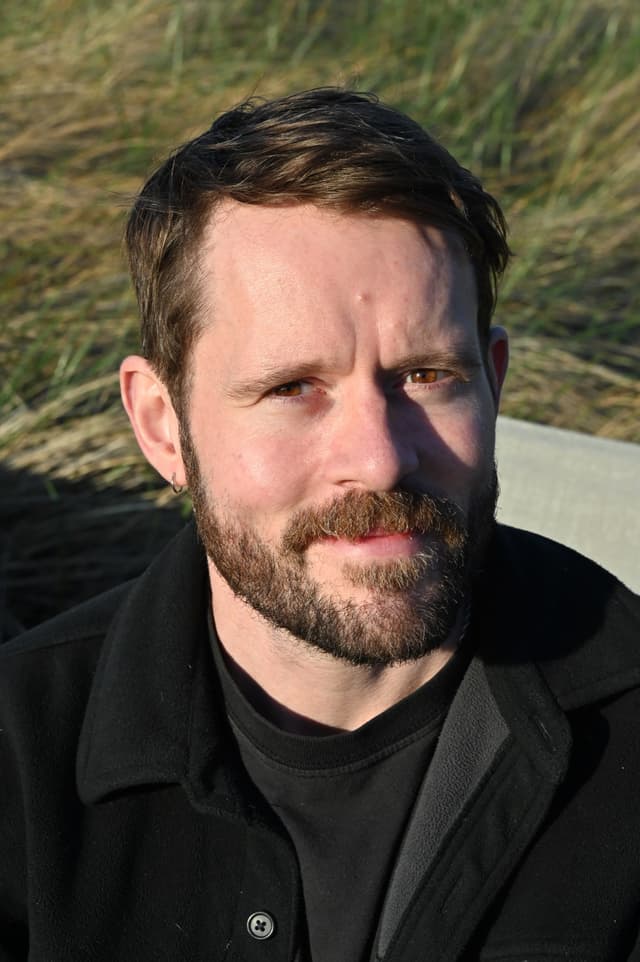
How my own experience shapes my work with gay men
My own life as a gay man has shaped how I've chosen to work as a coach, especially with gay men.
Exploring my own relationship to my sexuality and gay identity has given me deep familiarity with how shame, adaptation, brilliance, resilience, and longing can coexist in the same person, and I have felt the lasting impact of having my internal paradoxes met fully, without explanation or judgment.
I have met the shape of my own desires, and the shame I continue to carry around them. The answers haven't come quickly. Over time, I have begun to find honest solutions to these things.
What I have found is that lasting growth flourishes in the presence of an accepting, understanding relationship — both within myself and with others. Because of that, one of the first things I offer is the open space to be exactly as you are, without judgment or shame.
Your erotic life is welcome here
So much of our early experience of being gay is linked to shame and repression around sexual desire and emerging erotic energy.
We continue to be shaped by these learnings in our adult lives in subtle ways. We might notice we're not comfortable advocating for our needs in relationships, or at work. The desires we don't ask for, the things we don't say, are often signals of earlier lessons that it wasn't safe to want.
For some people, this includes exploring erotic desire and intimacy — territory that coaching rarely holds with this kind of openness. Sexuality, intimacy, fantasy, and erotic experience are as worthy of honest attention as ambition, physical health, or creative longing.
In my own life, I have held desires and fantasies that I once believed were inappropriate, or impossible to bring into the world. What I have come to see is that as these find honest expression and exploration, what's possible begins to take its own shape.
There's no topic that's off the table in our work together. If there's something you need to express, you can know you will be safe to do so with me.
To be clear, this work is conversational coaching, and I'm comfortable with all topics: sexuality, sex, fantasy, desire, intimacy, relationships, love, grief, shame, identity, masculinity/femininity, aging, and more. Sessions do not involve any nudity or invitations into sexual touch.
Is this right for you?
If you recognized yourself somewhere on this page — not necessarily in any particular section — that's likely enough to begin. The entry points vary; the underlying thread is the same.
What people who do this work tend to share is a willingness to be with the paradox of our lives more consciously — to stay with all of yourself, including the parts that you don't often face. We never force anything, and always proceed at your pace. We may sometimes choose to enter territory that feels tender or intense. If you sense you aren't in a place to invite that kind of exploration right now, that's understandable; this way of working may not be the right fit.
Start with a conversation
If you've recognized yourself somewhere on this page, I'd welcome a conversation. We'll explore what you've been noticing, and what working together might look like for you. I love talking with gay men about our shared experience, and I hope you'll leave the call feeling affirmed in what you're feeling and clearer on what you want next.
Or, if you'd rather write first, reach out.
Practical questions about session length, pricing, and how this work runs are on the FAQ.